
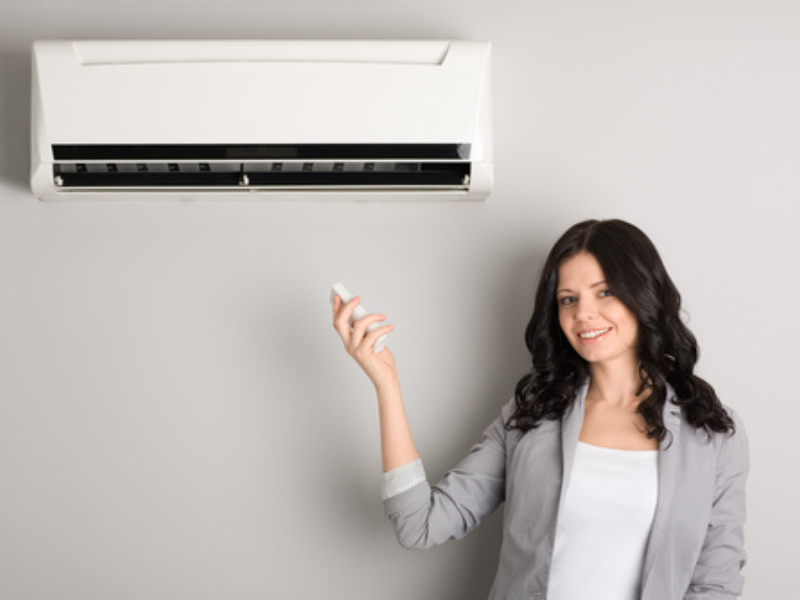
If you’ve always thought of mini-splits as just summer coolers, you’re not alone. A lot of homeowners assume these systems are only built for warm weather, but what about when winter rolls in? can a ductless mini-split really handle the cold? The answer? Yes, and if you’re curious how, keep reading.
Not Just for Cooling
A ductless mini-split is actually a type of heat pump. That means it heats and cools using the same system. In summer, it works like a traditional AC, removing heat from inside your home. In winter, it flips the process, meaning it pulls heat from outside and bringing it in.
It might be surprising, but even in cold weather, there’s heat in the air that a mini-split can capture and use. Thanks to newer technology, many mini-split models are built to handle freezing temperatures and still deliver reliable, consistent heat.
Here’s why they work so well year-round:
- One system handling heating and cooling
- Cold-climate heat pump technology performing in sub-zero temps
- No ducts means better efficiency and zoned comfort
How They Perform in Cold Weather
Modern mini-splits use an inverter, which is driven compressors that automatically adjust based on demand. They don’t just turn on and off, they modulate for maximum efficiency. Many high-efficiency models can produce heat even when the outdoor temperature dips below zero.
Of course, performance depends on the model and how well it’s matched to your home, as well as maintenance. However, in most well-insulated Illinois homes, a properly sized mini-split can easily keep things warm, even in the heart of winter.
Where They Really Shines
Mini-splits are especially great in spaces where traditional ductwork isn’t practical. Common examples include:
- Finished basements or garages
- Sunrooms or home additions
- Upstairs bedrooms or attic conversions
- Smaller homes, cabins or apartments
- Older homes without existing ductwork
They’re perfect for hard-to-heat rooms or places that always feel a little off from the rest of the house.
Can It Heat the Whole House?
That depends on your setup. In smaller or well-insulated homes, a multi-zone mini-split system can absolutely serve as the main heating source. In larger homes, it might be best paired with a furnace or boiler, especially if you want more control over specific areas or need to supplement older systems.
The key is proper design and installation. That’s where an experienced HVAC contractor makes all the difference.
Winter Benefits Beyond Just Heat
Ductless mini-splits don’t just keep you warm, they do it more comfortably and more efficiently. Instead of blasting hot air in short bursts like older systems, they provide a steady stream of warm air that keeps your space evenly heated.
Some added winter perks include:
- Zoned heating for customized comfort
- Reduced energy loss with no ductwork
- Quiet operation compared to older furnaces
- Improved indoor air quality and fewer drafts
As they don’t run on electricity, they’re a great option for lowering fossil fuel use and keeping energy bills in check.
Quiet and Comfortable
So, can a mini-split keep you warm through an Illinois winter? For most homes, yes. With efficient performance, flexible installation and whisper-quiet operation. Ductless systems offer a powerful alternative to traditional heating. Whether you’re upgrading a chilly room or looking for a full-home solution, mini-splits are more than ready for the cold.
